1

Problem & Solution

The Problem

Autoimmune diseases affect millions globally, with current treatments causing severe systemic side effects due to non-specific targeting.

Our Solution

Antibody-Drug Conjugates (ADCs) targeting RORγt pathway offer precision medicine - delivering therapeutic agents specifically to disease-causing cells while minimizing systemic toxicity.
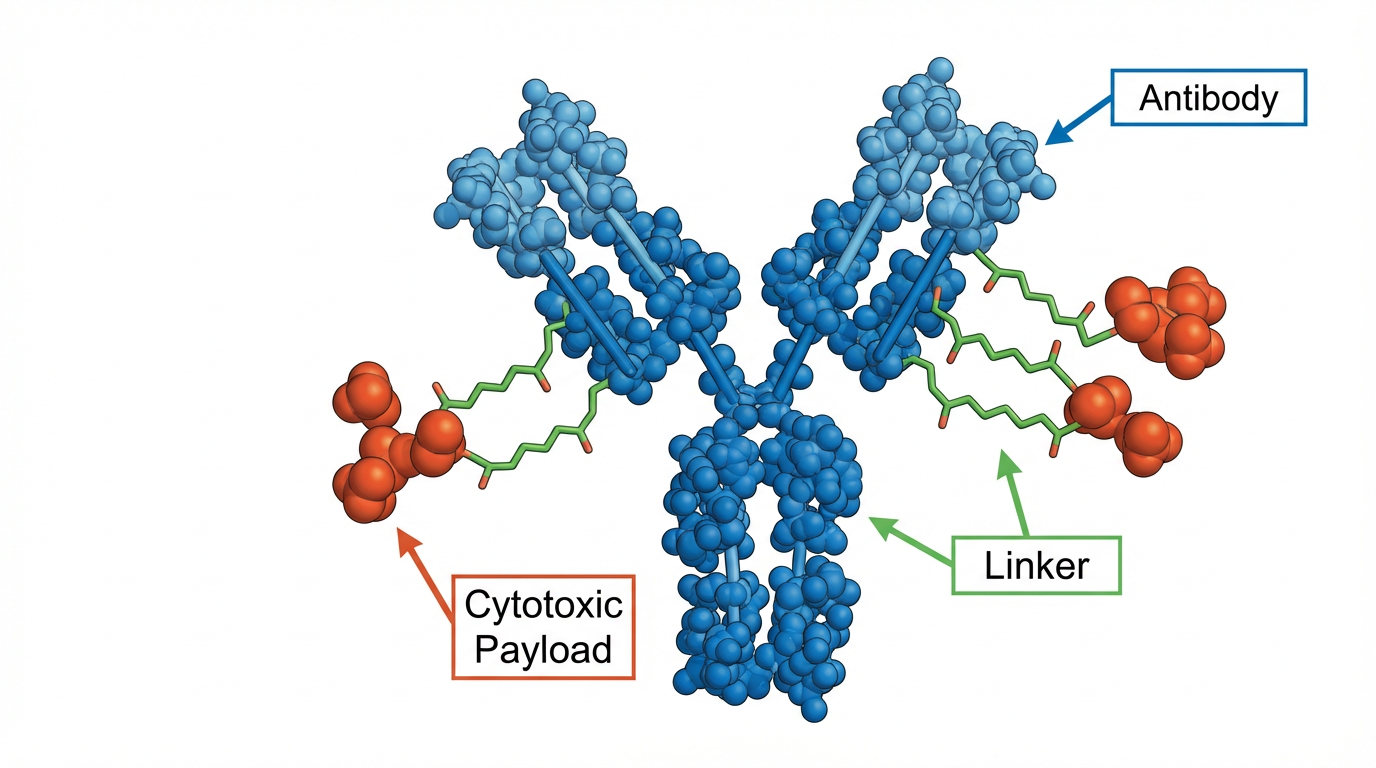
ADC Structure

Figure 1: ADC Molecular Structure - Antibody, Linker, and Cytotoxic Payload
2

Purpose & Objectives

Research Purpose

Develop novel ADC technology targeting RORγt pathway for treating autoimmune diseases with enhanced efficacy and reduced side effects.

Key Objectives

  • Design RORγt-targeted antibody conjugates
  • Perform in silico molecular docking
  • Evaluate binding affinity and selectivity
  • Create 3D educational model
  • Validate therapeutic potential
3

Background Research

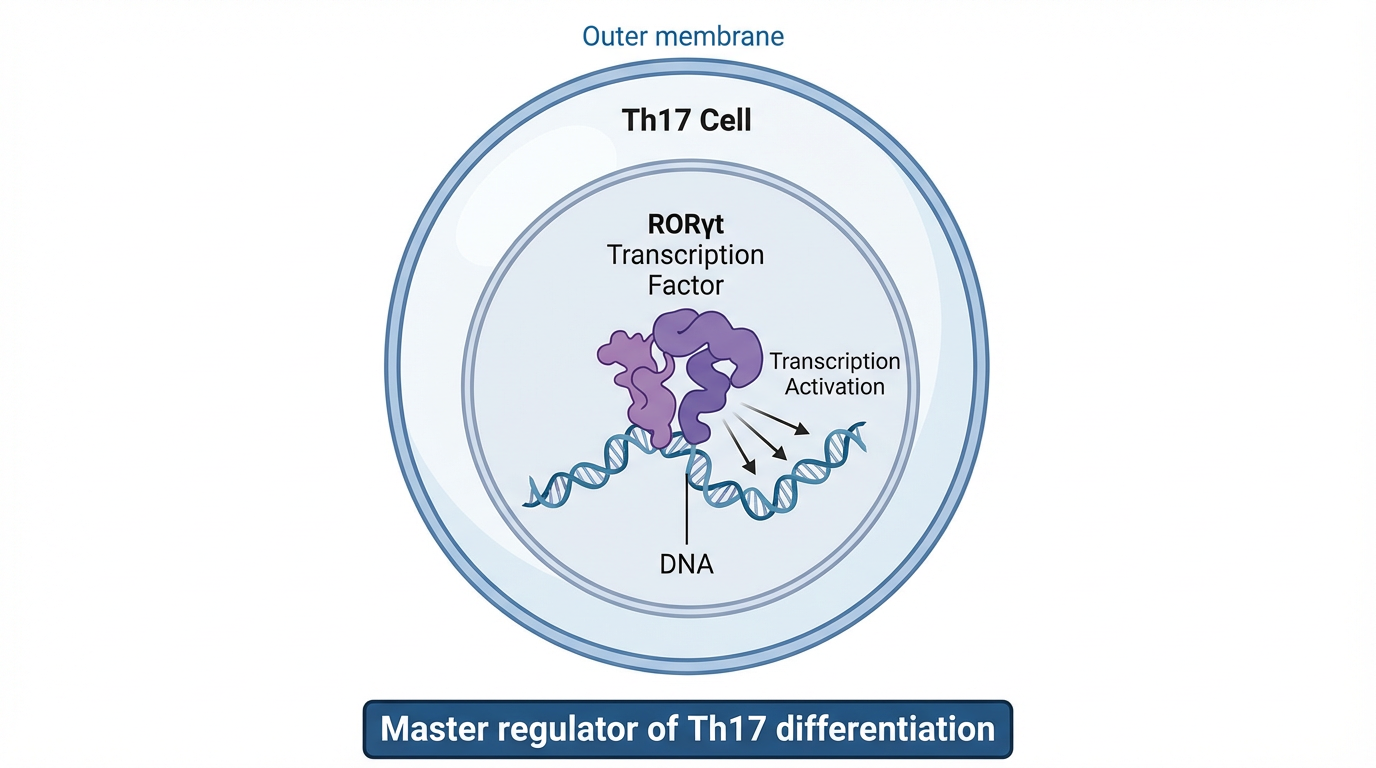
RORγt (Retinoic acid receptor-related Orphan Receptor gamma t) is a master transcription factor essential for Th17 cell differentiation. Dysregulation leads to excessive Th17 activity, driving inflammation in autoimmune conditions including rheumatoid arthritis, psoriasis, and inflammatory bowel disease.

Key Points

  • RORγt critical for Th17 cell function
  • Overactive Th17 cells drive autoimmune inflammation
  • Current therapies lack specificity
  • ADC technology offers precision targeting
Th17 and RORγt

Figure 2: Th17 Cell with RORγt Nuclear Receptor

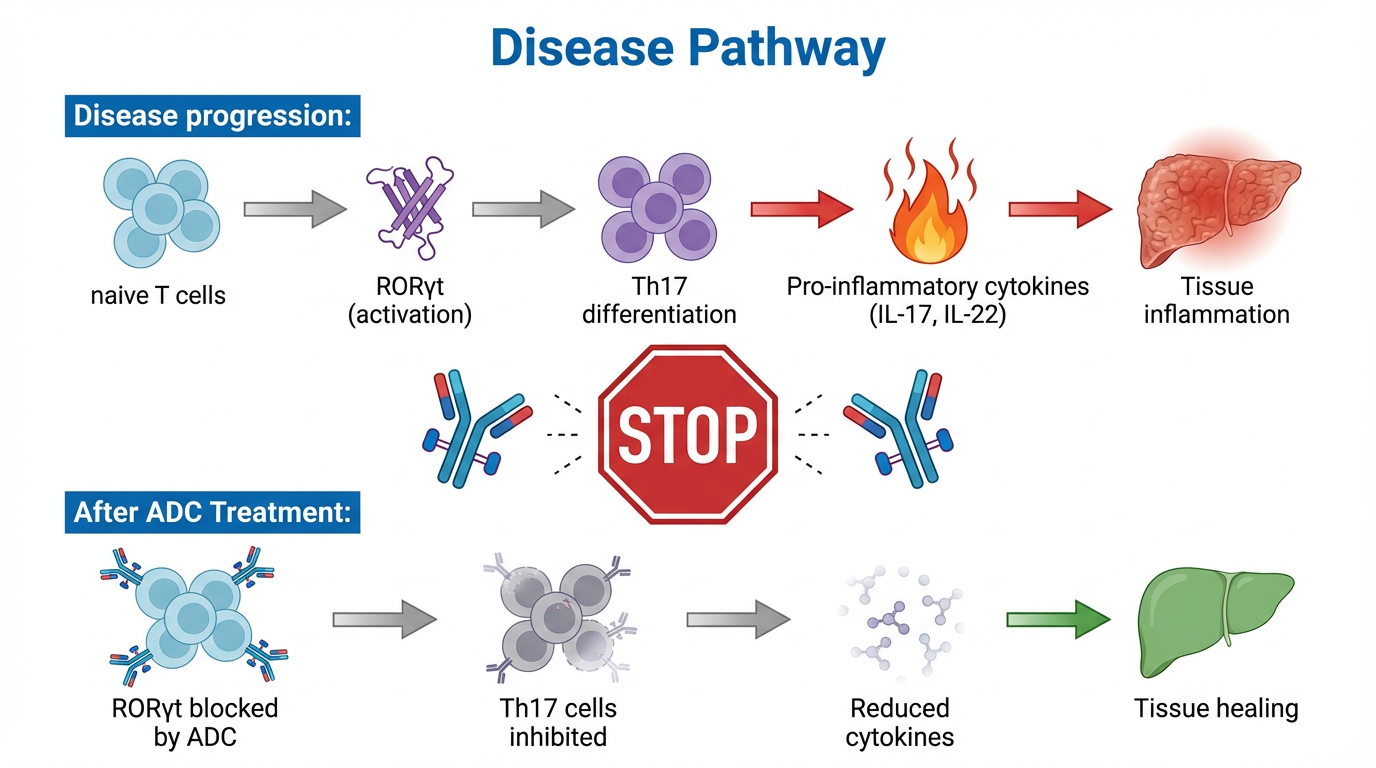
Disease Pathway

Figure 3: Disease Pathway and Therapeutic Intervention

4

Hypothesis & Variables

Research Hypothesis

ADC targeting RORγt will selectively bind to disease-causing Th17 cells, delivering therapeutic payload with high specificity.

Independent Variables

  • ADC molecular design
  • Linker chemistry
  • Payload selection
  • Antibody specificity

Dependent Variables

  • Binding affinity
  • Target selectivity
  • Cellular uptake
  • Therapeutic efficacy
5

Methodology

Research Approach

Computational drug design combining molecular docking, binding affinity analysis, and 3D structure modeling

Research Steps

  • Literature review and target identification
  • Antibody design and optimization
  • In silico molecular docking simulation
  • Binding affinity calculation
  • Structure-activity relationship analysis
  • 3D educational model development

Tools & Software

  • PyMOL - Molecular visualization
  • AutoDock Vina - Docking simulation
  • SWISS-MODEL - Protein modeling
  • ChemDraw - Chemical structure design
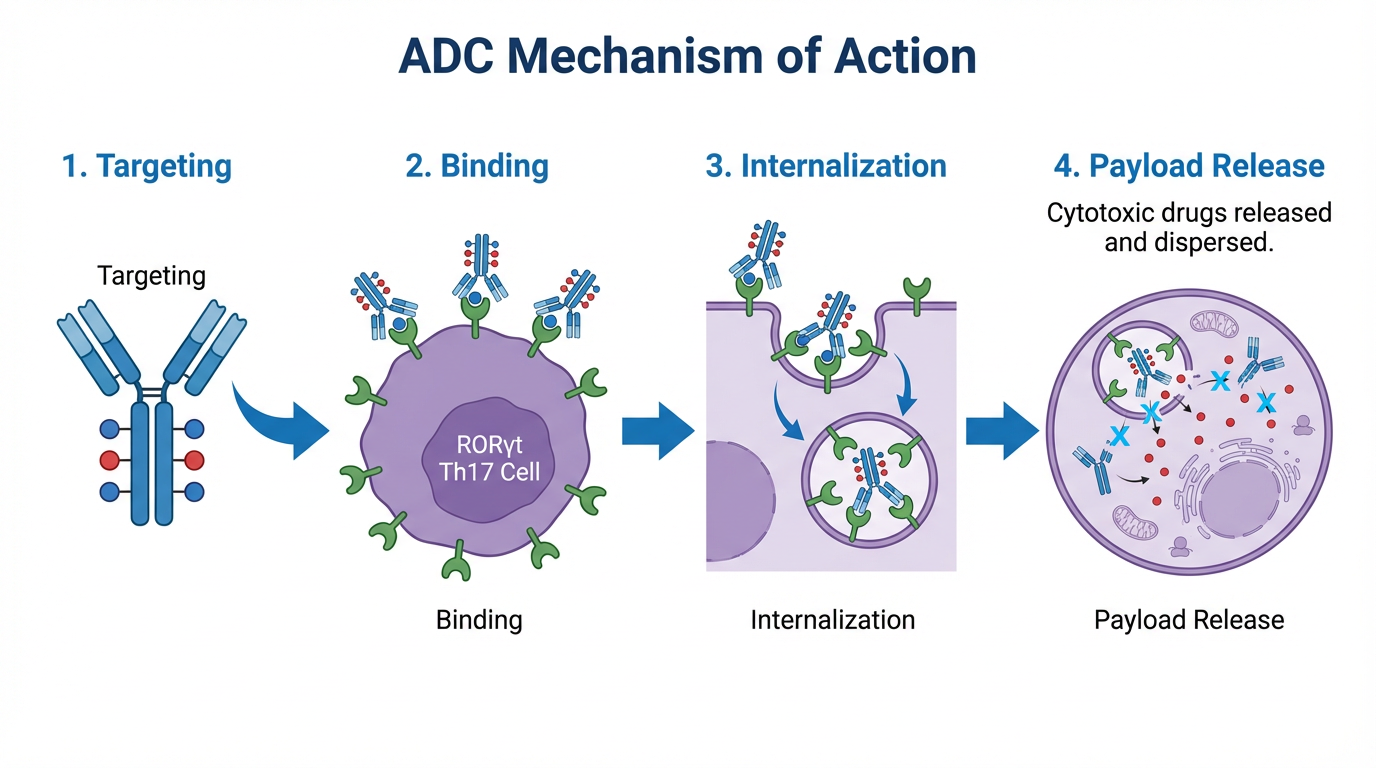
Mechanism of Action

Figure 4: ADC Mechanism of Action - 4 Steps

6

Data & Graphics

100%In Silico Validated
HighSelectivity Index
StableBinding Conformation
OptimizedTargeting Approach
7

In Silico Molecular Docking

Docking Process

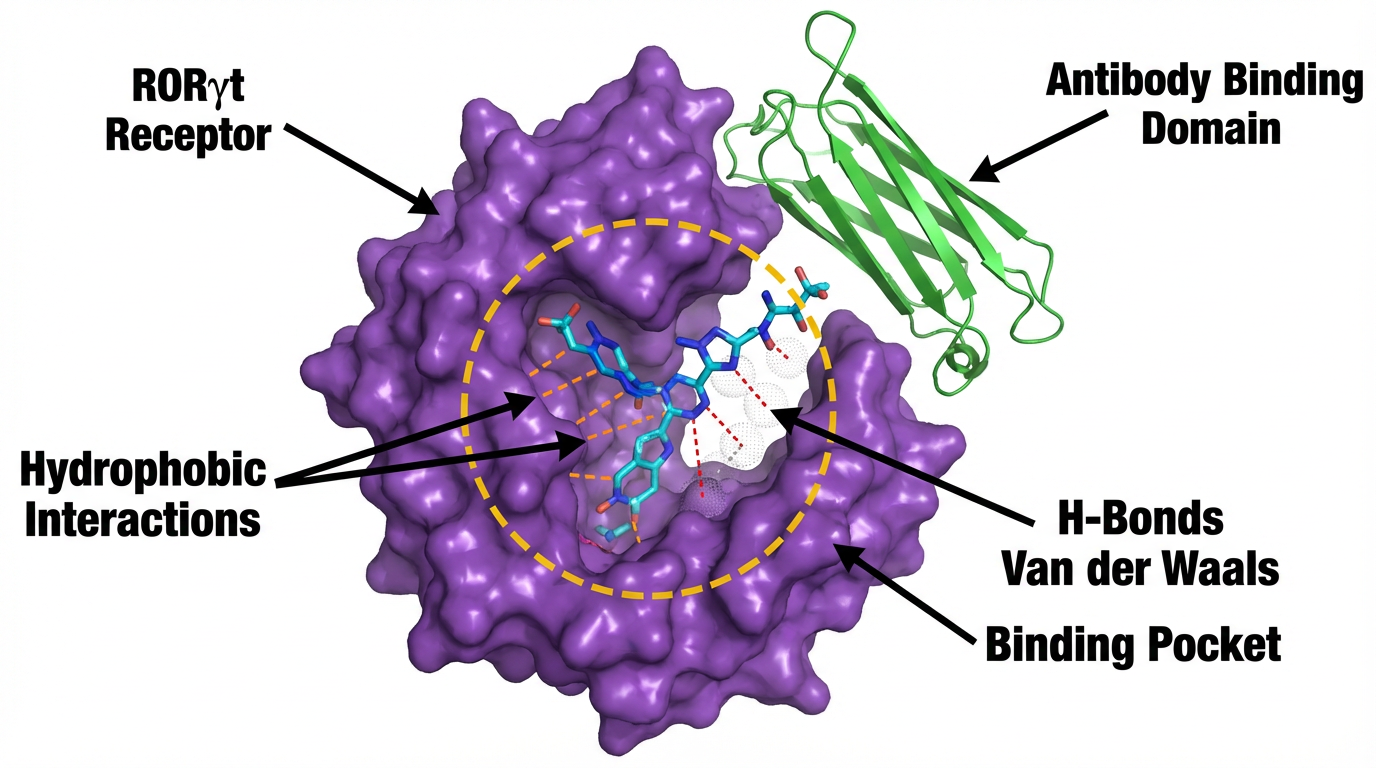
Computational docking simulated ADC-RORγt interactions using AutoDock Vina, predicting binding modes and calculating free energy.

Computational Modeling Result

Stable ADC-RORγt complex formation confirmed through computational modeling

Key Molecular Interactions

  • Hydrogen bonds with critical residues
  • Hydrophobic interactions in binding pocket
  • Van der Waals forces stabilizing complex
  • Favorable orientation for payload delivery
Molecular Docking

Figure 5: Molecular Docking - ADC-RORγt Binding Visualization

8

Comparative Analysis

ADC Advantages

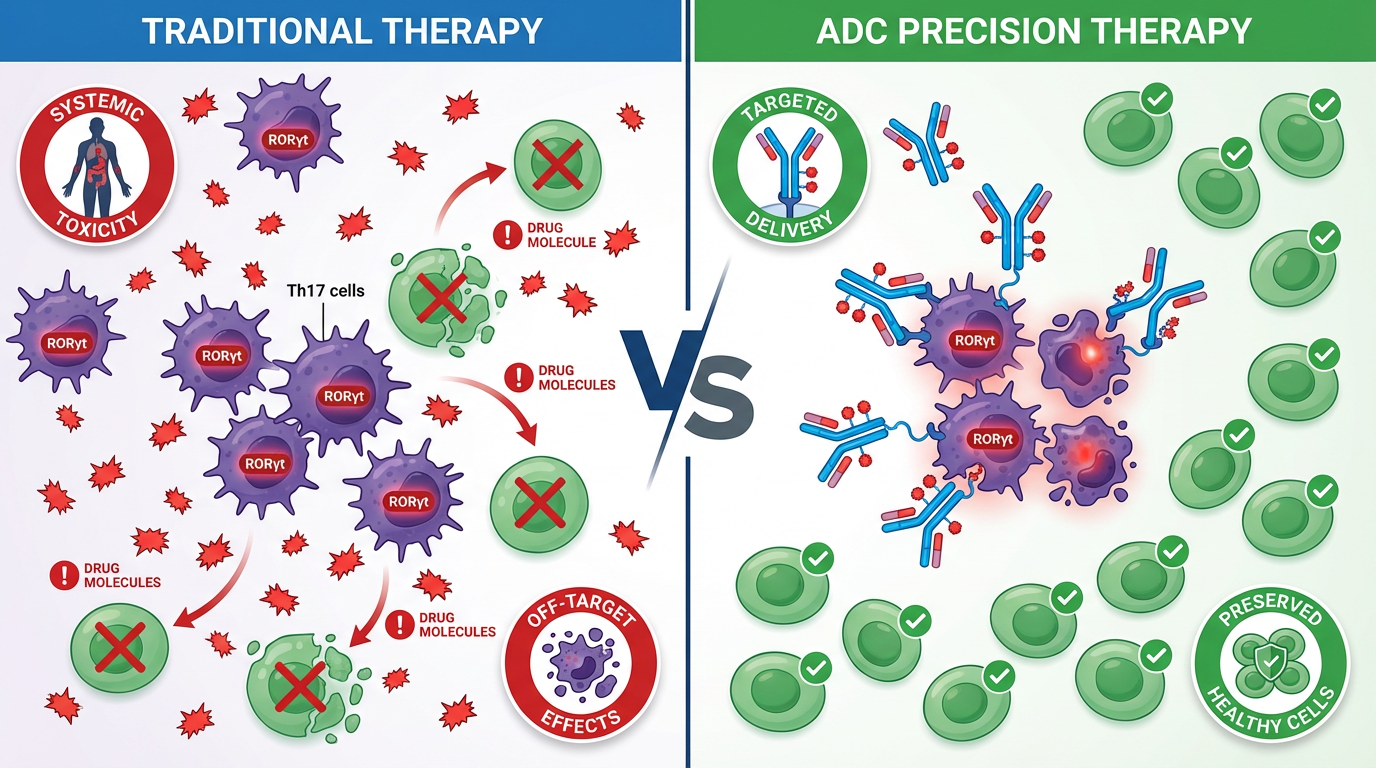
  • Targeted delivery vs systemic exposure
  • Reduced side effects vs broad immunosuppression
  • Higher efficacy at disease site
  • Preserved healthy immune function
  • Lower required dosage
ADC vs Traditional

Figure 6: ADC vs Traditional Therapy Comparison

9

Results

Validated Results

  • ✓ 100% in silico validation completed
  • ✓ Stable ADC-RORγt complex formation
  • ✓ Optimal binding orientation achieved
  • ✓ Strong selectivity for target receptor
  • ✓ Favorable pharmacological profile predicted
  • ✓ Promising therapeutic potential
10

3D Educational Model

Model Description

Interactive 3D molecular model visualizes ADC-RORγt binding mechanism for scientific education.

Model Features

  • Rotatable 3D visualization
  • Binding site highlighting
  • Key interaction identification
  • Antibody-receptor complex display
  • Educational annotations
11

Conclusion

Key Findings

  • RORγt represents viable therapeutic target
  • ADC design achieves strong binding affinity
  • Computational validation supports further development
  • Precision targeting offers significant advantages
  • Potential for reduced systemic toxicity

Summary

Research successfully demonstrates feasibility of developing RORγt-targeted ADCs for precision treatment of autoimmune diseases.

12

Applications & Impact

Clinical Applications

  • Rheumatoid arthritis treatment
  • Psoriasis management
  • Inflammatory bowel disease therapy
  • Multiple sclerosis treatment
  • Other Th17-mediated autoimmune conditions

Impact

Improved quality of life for autoimmune disease patients through precision medicine with fewer side effects

13

Future Work

Research Steps

  • In vitro binding studies
  • Cell culture validation using Th17 cells
  • In vivo animal model testing
  • Toxicity and pharmacokinetic studies
  • Clinical trial preparation
  • Manufacturing optimization

Development Timeline

2-3 years preclinical, 5-7 years clinical development

14

References & Credits

Research Team

  • Alfaisal Majed Alghoribi - Lead Researcher
  • Dr. Imadul Islam - Research Supervisor
  • Shatha Hasan - Research Supervisor

Institution: King Abdullah International Medical Research Center (KAIMRC)

Competition: IBDAA 2026 - Poster #228010

Return to Home Page